“It is important to set goals in life. I set mine to the highest standard I can achieve.” — Usain Bolt
Goal setting, or making resolutions, at the start of a new year dates back to early civilizations 4,000 years ago. Babylonians, Romans and other historic groups of people began each year with a set of vows to achieve.
This tradition, in a wide array of forms, has continued through time and still is widely followed today. Polls find that about 40 to 50 percent of Americans set and pursue goals each January. While studies vary regarding the success rate, there is consensus that people who set goals have a significantly higher rate of making positive behavioral changes than those who do not.
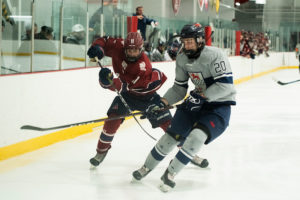
In sports, goal setting is central to mental conditioning and a key element of success. Olympians use goal setting daily to support and guide them in their quest to compete at their optimal level of performance.
The process of strategizing and reaching their goals is unique to each athlete, since everyone develops at different rates, ages and stages. So, what works for one competitor might not for another.
Types of goals
- Outcome: Attains desired result or dream (individual has some but not total control)
- Performance: Utilizes skills necessary to optimize the possibility of a successful outcome (can control)
- Process: Maintains consistent skill training to support performance (can control)
- Action steps: Formulates behaviors that lead to success attaining other goals (can control)
Another dimension of goal setting as a mental conditioning technique is time frame. Goals can be broken down into:
- Long term: dream to play in the Olympics
- Short term: monthly or even daily action steps to work toward long-term goal
Beginning with modest and clear ones, goals serve as a structure for athletes to follow in achieving their success. Setting shorter time intervals to complete these goals also can be helpful in building motivation and confidence. As athletes become more comfortable with the goal-setting process, they can gradually advance to more substantial objectives.
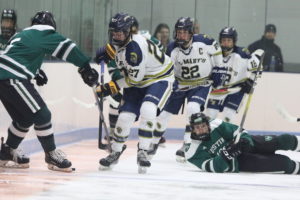
In my work, we focus on the mental features, while supporting the physical and technical aspects, areas that will help athletes optimize their performance. Where older, more experienced and skilled athletes might set one or two goals focused on each of these areas, younger and less experienced athletes might focus on only one technical skill. For example, one professional hockey player I work with has committed to add 30 minutes to his nightly sleep, 20 minutes on a new stickhandling sequence and four more minutes to his morning mental conditioning routine. A motivated Squirt player might set a goal of shooting 40 pucks on net each day. Again, players are unique in their needs, their goals and the steps required to achieve their objectives.
Once players have a general idea of what they want to develop, they narrow their scope, using the SMART technique that I have mentioned earlier this year. They may fine-tune their goal into one that is: Specific, Measurable, Attainable, Relevant, Timely.
In addition to improving their chances of progressing their process and performance targets, goal setting helps athletes maintain their motivation and focus. Some athletes even add incentives to bring a little fun or reward to the process. For example, one player I work with loves video games and wants to use time online as a reward for having completed his action steps and short-term goals.
Routines and time management, which support successful goal setting, are critical to athletic success. In his bestselling book “The Power of Habit,” Charles Duhigg notes the three elements of creating new habits:
- Cue: the trigger that reminds athlete of behavior (designated time of day for puck shooting)
- Routine: the behavior that player consistently practices (x number of shots to each corner of the net)
- Reward: the payoff (satisfaction of completion and confidence in an improving shot)
Time management is a skill that supports performance both on and off the ice. Managing time well allows hockey players to follow their own pregame routine before the team warm-up routine begins.
Players who rush into the rink shortly before a game deny themselves an important opportunity for development. Countless parents have expressed concern about their children spending tremendous time with video games or social media. These online pursuits can erode valuable time, ultimately running the risk of athletes not attaining their short- or long-term goals.
As Olympians know, the difference between success and failure, gold or silver medals at elite levels, is marginal. While high-achieving athletes generally work with a psychologist about all facets of their mental skill training, a parent, friend or teammate also can be a resource to assist players with accountability. Discipline and accountability are often the critical factors. Invite others to help in your journey.
“The difference between who you are and who you want to be is what you do.” — Charles Duhigg
Dr. Elizabeth Ward is a former Harvard hockey player, licensed psychologist and peak performance coach/consultant. Learn more at www.DrElizabethWard.com.